NRC1880 Machine For Toilet Paper Roll For Sale

QR 코드
점유율
Facebook
X
LinkedIn
Pinterest
Whatsapp
Line
Tumblr
Type Toilet Paper Making Machine
Model NRC1880
Whatsapp
Inquiry Now
DetailTechnical Parameter

3.jpg


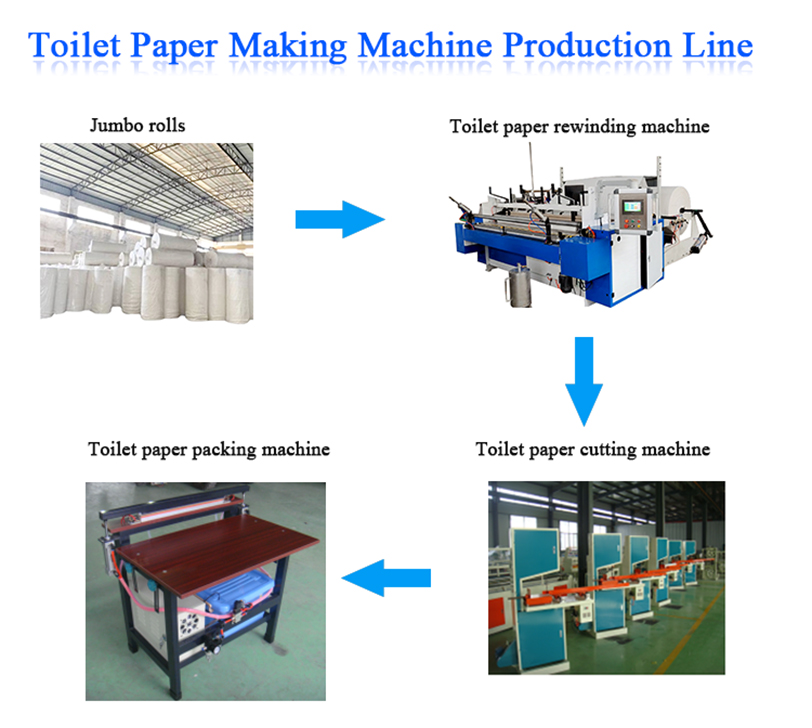
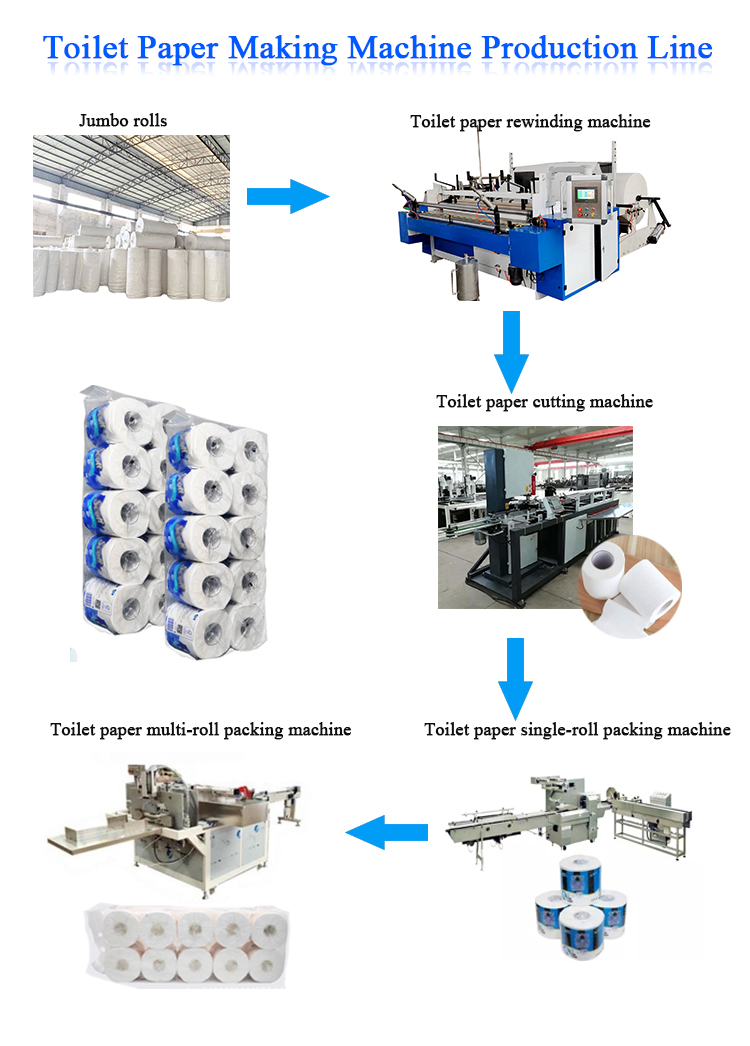
Toilet paper subsequent processing equipment" refers to the machinery that takes the large, parent rolls of paper coming directly from the paper mill (called jumbo rolls or parent rolls) and converts them into the final, packaged consumer product you find on store shelves.

The Core Stages of a Toilet Paper Converting Line

1. Unwinding and Splicing

This is the start of the line where the jumbo rolls are loaded.

  • Equipment: Jumbo Roll Stands or Unwind Stands.

  • Function: Holds one or more jumbo rolls. Modern systems often have two unwind stands with an automatic splice. This allows a new jumbo roll to start feeding paper the moment the previous one runs out, ensuring the production line never stops.

2. Embossing and Ply Bonding

This step gives the toilet paper its texture (embossing) and, for 2-ply or 3-ply products, bonds the layers together.

  • Equipment: Embosser.

  • Function: Consists of two steel rollers with matched patterns that press against each other. The paper web passes between them, acquiring the raised pattern. For multi-ply paper, a glue application system is added here to bond the plies after embossing.

3. Perforating and Log Slitting

This is a critical step that defines the individual sheets and the roll width.

  • Equipment: Perforating & Slitting Unit.

  • Function:

    • Perforating: A fine, sharp blade creates the micro-perforations between sheets, allowing them to be torn off easily.

    • Slitting: Circular knives slit the wide web of paper into multiple, narrower strips (called "logs"). For example, one wide web might be slit into 4 or 6 individual toilet paper "logs" side-by-side.

4. Rewinding

This step winds the perforated and slit paper onto the cardboard core to create the final-sized consumer roll.

  • Equipment: Coreless Rewinder or Automatic Rewinder.

  • Function: Takes the paper from the slitter and winds it at high speed onto a core. Modern rewinders are "coreless," meaning they can start the roll without a core and then insert it automatically during the winding process. They ensure the roll is wound to a precise diameter, sheet count, and softness.

5. Log Sawing / Cutting

The long, continuous "logs" from the rewinder need to be cut into individual rolls.

  • Equipment: Log Saw.

  • Function: A high-speed circular saw or band saw cuts the long logs into the correct individual roll lengths. This is a fully automated process synchronized with the speed of the rewinder.

6. Wrapping and Packaging

This is the final stage where rolls are prepared for sale.

  • Equipment: Automatic Wrapping and Packaging Machines.

  • Function: This can be broken down into several sub-steps:

    • Individual Wrapping: Wraps each roll in plastic or paper film. This is common for premium brands.

    • Multi-Pack Wrapping: Groups a set number of rolls (e.g., 4, 9, 12, 24) and wraps them together in plastic shrink film or a cardboard sleeve.

    • Case Packing: Automatically loads the multi-packs into shipping cases or cartons.

    • Palletizing: Robots or automated systems arrange the cases onto pallets for shipment to warehouses and stores.


Model

1880mm ~2000mm

Applicable Raw Paper

2-3 plies 14~23g/㎡Wood pulp paper

Finished product

Toilet rolls with core /without core

Raw Paper Width

Max 2100mm

Raw Paper Diameter

Max2100mm

Finished Size

Φ60~130 mm

Finished Core Diameter

Φ35mm-Φ50mm

Raw Paper Core Diameter

3”(76.2 mm)

Perforation

Spiral perforating knife,Chain wheel positioning

Production Speed

200 m/min

Power

12kw

Parameter Design

LCDTouch Screen

Control

PLC

Paper Feeding

3 Unwinding stands,controlled by pneumatic

Air Pressure

0.5 Mps

Power

380V,50hz


Collaborate with us to restore the look that your product blueprint should have!
Contact Us
Tel:+86 15863012862
Whatsapp:+86 15863012862
微信客服
扫码咨询