
Paper Tube Making Machine: A Smarter Solution for Efficient Paper Tube Production
automatic cnc paper tube making machine
Paper Tube Making Machine: A Smarter Solution for Efficient Paper Tube Production
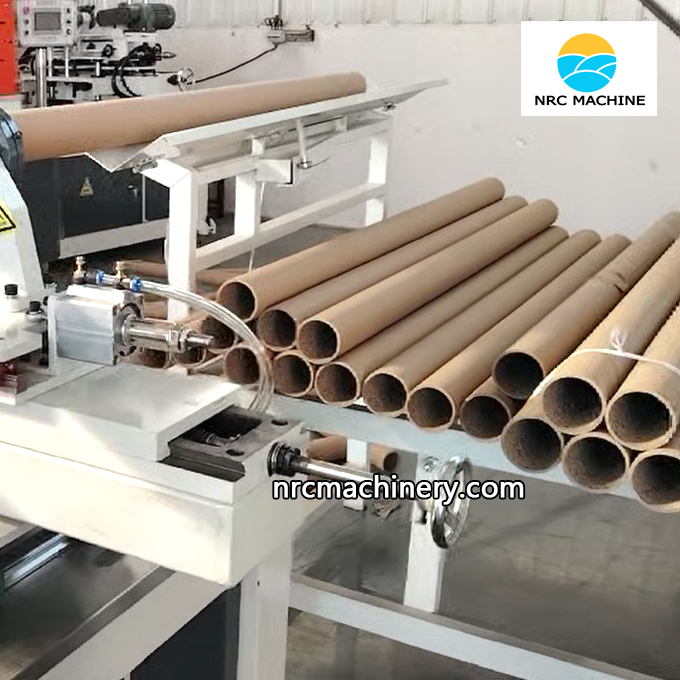
1. Efficient Paper Tube Manufacturing with Modern Automation
As demand for sustainable packaging and paper-based industrial products continues to grow, manufacturers are looking for more efficient ways to produce high-quality paper tubes and cores. A modern paper tube making machine provides an effective solution by combining automation, stable operation, production efficiency, and flexible manufacturing capabilities.
Paper tubes are widely used in packaging, textile, food processing, adhesive tape, film, printing, and other industries. For manufacturers handling continuous production requirements, investing in a reliable paper tube making machine can help reduce manual operations, improve production consistency, and support long-term business growth.
2. Why Choose an Automatic Paper Tube Making Machine?
Traditional paper tube production may require significant manual intervention, especially when production volumes increase. An automatic paper tube making machine is designed to streamline the manufacturing process and reduce unnecessary labor requirements.
Depending on the machine configuration, automated control can help manage important production stages such as paper feeding, glue application, tube winding, and production control. This allows operators to focus more on monitoring and quality management rather than repetitive manual operations.
The main advantages include:
Reduced labor requirements
Stable and continuous production
Consistent paper tube quality
Efficient material utilization
Easier production management
Flexible applications for different industries
For companies planning to expand their production capacity, a high-performance paper tube making machine can provide a practical foundation for a more efficient paper tube production line.
3. Applications of Paper Tube Making Machines
Paper tubes are not limited to one specific industry. Their versatility makes them valuable in many manufacturing and packaging applications.
3.1 Packaging Industry
Paper tubes and cores are commonly used for wrapping film, paper, labels, flexible packaging materials, and other products. Manufacturers can select suitable tube specifications according to different production requirements.
3.2 Textile Industry
Textile yarn and related materials often require strong and dimensionally consistent paper cores. A reliable paper tube making machine can help manufacturers produce suitable cores for different textile applications.
3.3 Adhesive Tape and Film
Paper cores are widely used for adhesive tape, BOPP tape, stretch film, and other roll products. Stable tube dimensions and sufficient structural strength are important for smooth rewinding and subsequent processing.
3.4 Industrial Applications
Paper tubes can also be used for industrial materials, printing products, construction materials, and other roll-based products. This broad application range makes paper tube manufacturing an attractive opportunity for businesses looking to enter or expand within the paper converting industry.
4. How Can a Paper Tube Making Machine Improve Production Efficiency?
Production efficiency is an important factor when selecting industrial machinery. A modern paper tube making machine is designed to create a more streamlined production process while maintaining stable operation.
Automation can reduce repetitive manual work and help maintain consistent operating conditions. At the same time, a well-designed machine can make production management easier for operators and reduce unnecessary downtime caused by inefficient manual procedures.
For manufacturers, the goal is not simply to produce more tubes, but to achieve a better balance between production speed, product quality, labor requirements, and operating costs.
5. Choosing the Right Paper Tube Machine for Your Business
Different customers may have different requirements for tube diameter, length, wall thickness, paper materials, production capacity, and application. Therefore, selecting a machine should be based on the actual production plan rather than simply choosing the fastest machine available.
Before purchasing a paper tube making machine, manufacturers should consider:
Required paper tube specifications
Target production capacity
Raw material characteristics
Level of automation required
Available production space
Future production expansion plans
Technical support and after-sales service
A properly matched machine can help manufacturers establish a more stable production process and create greater value over the long term.
6. A Practical Investment for Growing Paper Tube Businesses
The increasing use of paper-based packaging and industrial cores is creating new opportunities for paper tube manufacturers. For startups, small manufacturers, and established factories, an automatic paper tube making machine can be an important step toward building a more efficient production operation.
Instead of relying heavily on manual production, manufacturers can use automated equipment to improve consistency and simplify daily operation. As production demand increases, a scalable paper tube production solution can also help businesses expand their product range and customer base.
NRC Machinery provides paper converting and paper processing machinery designed for different industrial applications. Manufacturers interested in paper tube production can explore suitable equipment and production solutions according to their specific requirements.
7. Frequently Asked Questions
7.1 What is a paper tube making machine?
A paper tube making machine is industrial equipment designed to manufacture paper tubes and paper cores from paper strips or rolls. These tubes can be used for packaging, textiles, adhesive tape, film, printing, and other applications.
7.2 What are paper tubes used for?
Paper tubes are commonly used as cores for paper, film, adhesive tape, textile yarn, packaging materials, and various industrial roll products.
7.3 Is an automatic paper tube making machine suitable for small businesses?
Yes. Depending on the required production capacity and tube specifications, an automatic paper tube machine can be suitable for small and medium-sized businesses that want to reduce manual work and improve production efficiency.
7.4 What should I consider before buying a paper tube making machine?
Important factors include tube diameter, tube length, wall thickness, raw material, required output, automation level, available factory space, and future production requirements.
7.5 Can one machine produce different types of paper tubes?
The production range depends on the machine configuration and tooling. Manufacturers should provide their required tube specifications to the supplier so that a suitable machine configuration can be recommended.
7.6 Why is automation important in paper tube production?
Automation can reduce repetitive manual operations, improve production consistency, simplify machine operation, and help manufacturers manage higher production volumes more efficiently.


